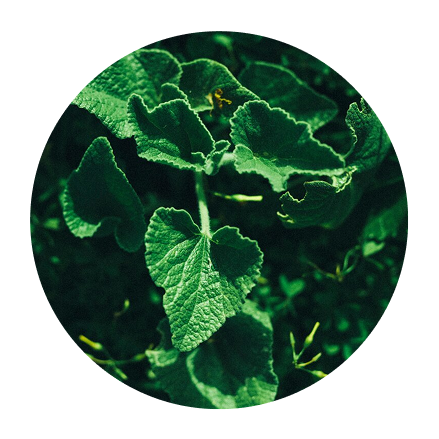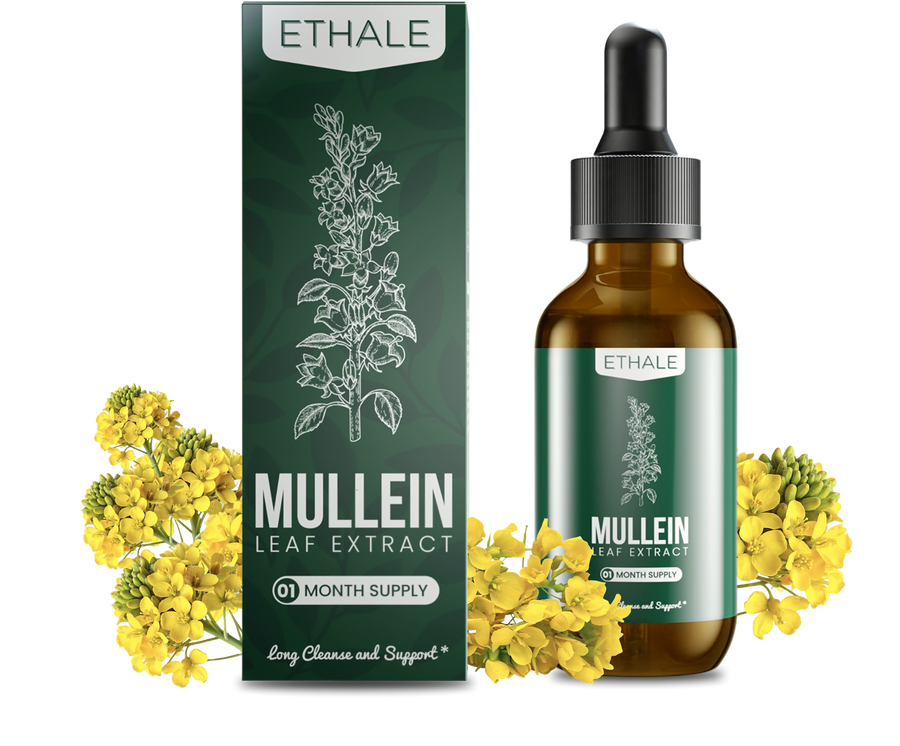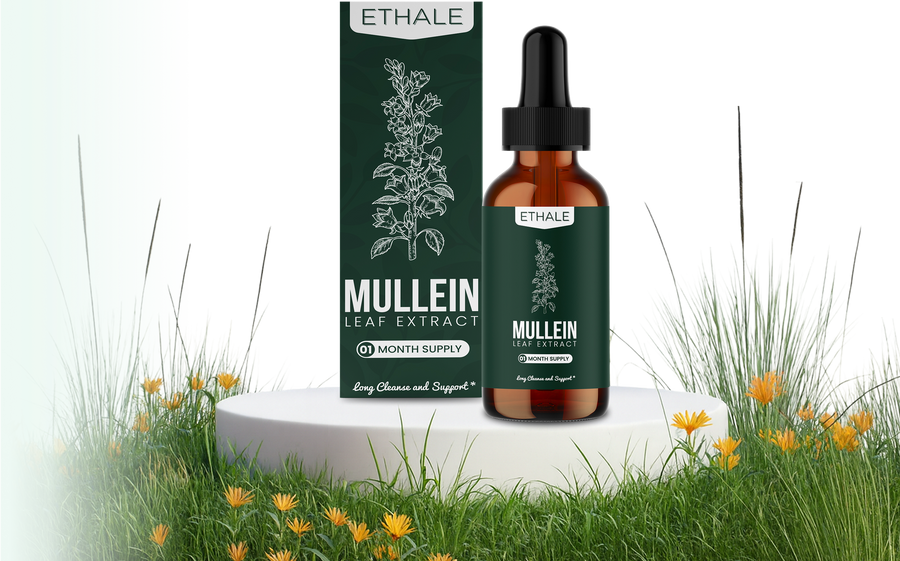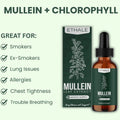
The time-tested cough herb

This herb has been used for coughs and mucus for over 140 years. Here’s how it ended up in a modern daily drop.

Morning phlegm. Coughing fits. A heavy chest. Here’s the 140-year record, the science behind mullein, and why it’s still the heart of a daily drop.

140+ yrsof use for coughsAlcohol-freeMullein leaf extract
  • Alcohol-free
  • Third-party tested
  • 14-day results refund policy

Mullein appears in

  • King’s American Dispensatory
  • American Medicinal Plants
  • Clarke’s Materia Medica
  • European Medicines Agency

Chapter 1 · The plant

Meet mullein, the old cough herb

Plate · 1831
Common mullein (Verbascum thapsus), coloured etching, 1831
Common mullein (Verbascum thapsus) with a moth. Coloured etching, 1831. Wellcome Collection, Public Domain Mark.

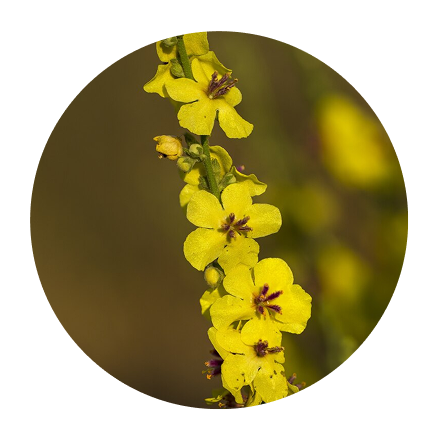
Mullein is a tall plant with soft, fuzzy leaves and small yellow flowers.

For generations, families brewed it into teas, boiled it in milk and made it into tinctures, most often for one thing: coughs and chest congestion.

In the 1800s, doctors started writing it down.

Plant profile

Botanical name
Verbascum thapsus
Family
Figwort family
Part we use
The leaf
Known for
Coughs & chest congestion

Its old nicknames (recorded in 1887)

  • “Common mullein”
  • “High taper”
  • “Cow's lungwort”
  • “Flannel plant”

In plain English

One of mullein’s old names is cow’s lungwort. The name says what people used it for: the chest.

Our promise to you

Every date on this page links to the original source. You can read them yourself.

What you’ll see

  • How long mullein has been used for coughs
  • Where chlorophyll’s story begins
  • What a modern regulator says today

What you won’t find in Ethale

  • Alcohol: a gentle, alcohol-free formula
  • Added sugar: nothing sweetened or syrupy
  • Synthetic fillers, additives or harsh chemicals

Chapter 2 · The record

140+ years of mullein for coughs

Here’s the record, date by date. Tap any source to read the original.

Doctors take notice

1817 – 1887

A folk remedy for coughs makes its way into medical writing.

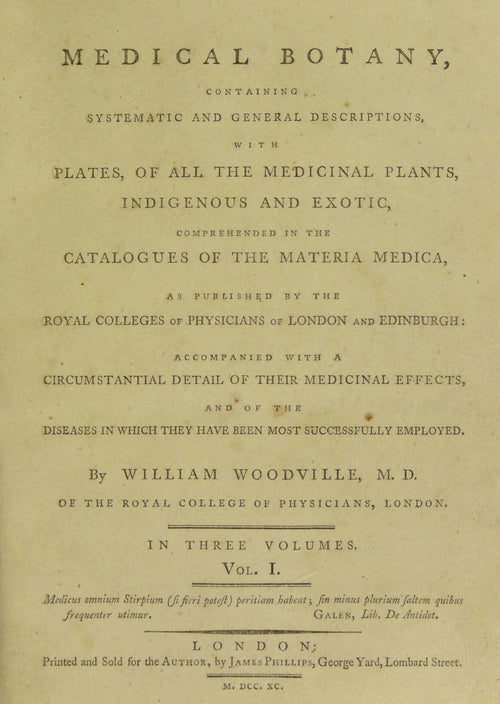
Title page of William Woodville's Medical Botany, London, 1790
Before this era: William Woodville’s illustrated Medical Botany (London, 1790), one of the plant references physicians relied on. Wellcome Collection, Public Domain Mark.
1817
Original research · 1817–1818

Scientists name the green in leaves

Two Paris pharmacists isolate the green pigment in plants and call it chlorophyll.

Why it matters: This is where chlorophyll’s story begins.

Keep in mind: This is chemistry history, not a health study.

Source & citation

Pelletier P-J, Caventou J-B. Papers on the green matter of leaves, 1817 and 1818. English translations and historical context in: Govindjee G, Stirbet A, Lindsey JS, Scheer H. "On the Pelletier and Caventou (1817, 1818) papers on chlorophyll and beyond." Photosynthesis Research, 2024.

Read the historical paper on PubMed ↗
1883
Physician's case notes · 1883

A Dublin doctor writes down a folk cough remedy

Dr. F. J. B. Quinlan noted mullein was a trusted folk remedy in Ireland. He gave seven patients mullein leaves boiled in milk, and they found it comforting.

Why it matters: Doctors were recording mullein for chest complaints by the 1880s.

Keep in mind: These were one doctor’s early notes on a handful of patients with a serious lung illness, a first look at how doctors put mullein to work.

Source & citation

Quinlan FJB. "The Use of the Mullein Plant in the Treatment of Pulmonary Consumption." 1883. Archived in PubMed Central, PMC9853824.

Read the original 1883 publication ↗
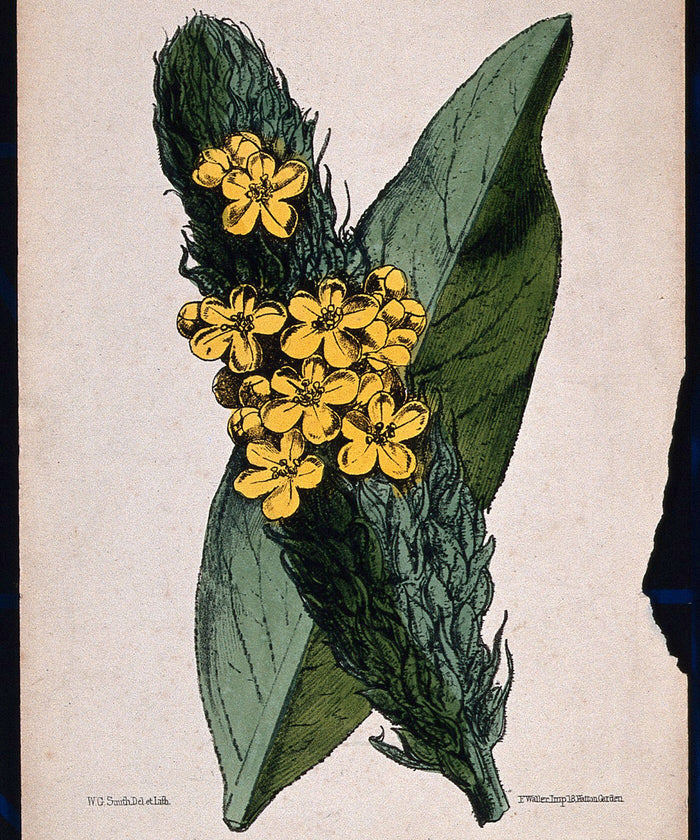
Great mullein (Verbascum thapsus), coloured lithograph by W. G. Smith, c. 1863
Detail: great mullein’s woolly leaves and flower spike. Lithograph by W. G. Smith, c. 1863. Wellcome Collection, Public Domain Mark.
1887
Illustrated medical botany · 1887

Mullein gets its own page in an American medical book

Physician and botanist Charles Millspaugh drew mullein in full color and listed its old nicknames, like “cow’s lungwort” and “flannel plant.”

Why it matters: Mullein was well known to American doctors.

Keep in mind: His book recorded common practice, not clinical results.

Source & citation

Millspaugh CF. American Medicinal Plants: An Illustrated and Descriptive Guide to the American Plants Used as Homœopathic Remedies. Philadelphia: Boericke & Tafel, 1887. Plate 110, Verbascum thapsus. Digitized by the Internet Archive.

Open the 1887 volume ↗
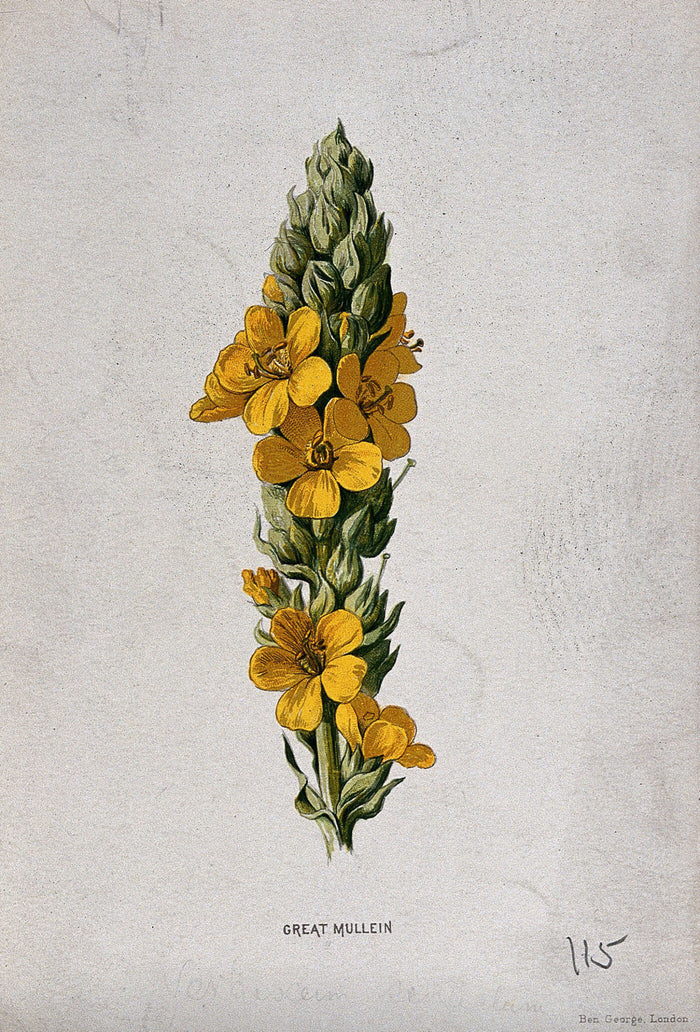
Great mullein, chromolithograph after F. E. Hulme, c. 1877
Great mullein. Chromolithograph after F. E. Hulme, c. 1877. Wellcome Collection, Public Domain Mark.

Written into the textbooks

1898 – 1935

Mullein becomes a standard entry for coughs. Chlorophyll wins a Nobel Prize.

1898
Medical reference · 1898

A leading U.S. reference lists mullein for coughs

King’s American Dispensatory describes mullein tea for coughs, lingering colds and excess mucus, especially dry, hoarse coughs at night.

Why it matters: Mainstream American herbal medicine used mullein for coughs.

Keep in mind: Books like this recorded practice. They didn’t run trials.

Source & citation

Felter HW, Lloyd JU. King's American Dispensatory, 18th ed., 3rd revision, 1898. Entry: Verbascum (Mullein). Full-text transcription by Henriette Kress.

Read the 1898 mullein entry ↗
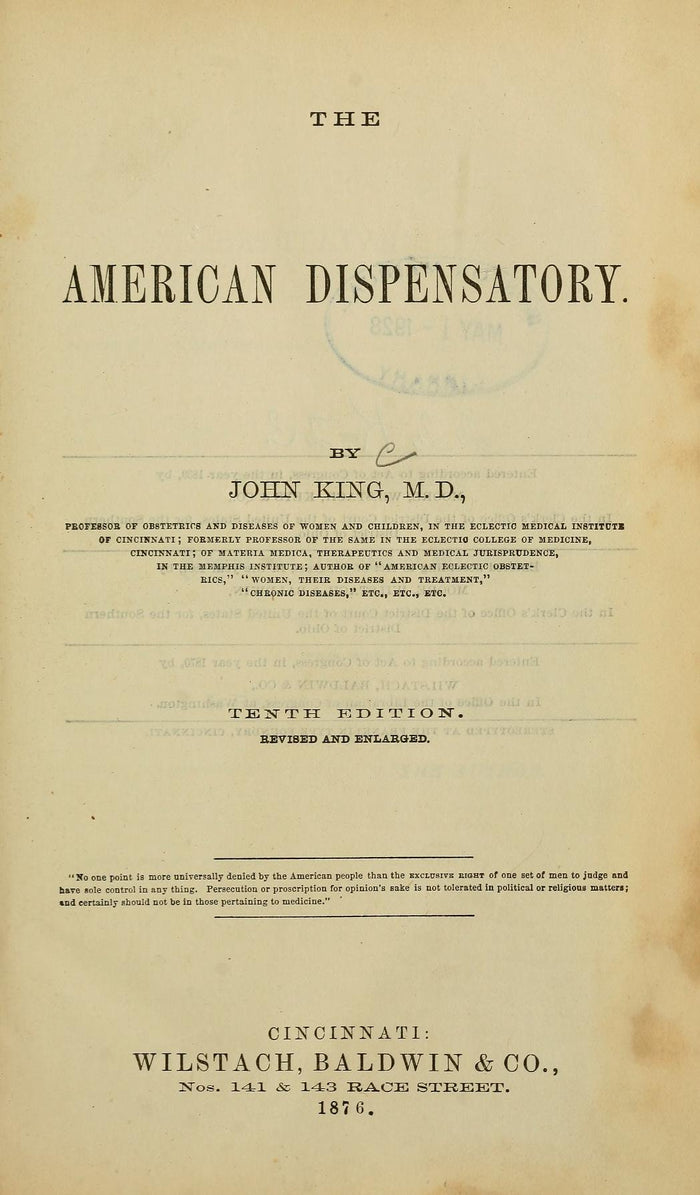
Title page of John King’s The American Dispensatory, 1876, the book Felter and Lloyd revised into the 1898 King’s American Dispensatory. Internet Archive, public domain.
1902
Materia medica · 1902

A London reference ties mullein to coughs and mucus

John Henry Clarke’s Materia Medica lists mullein leaves for excess mucus (catarrh) and a deep, hoarse cough.

Why it matters: By 1900, mullein and coughs were firmly linked.

Keep in mind: It’s a homeopathic book. It records beliefs, not test results.

Source & citation

Clarke JH. A Dictionary of Practical Materia Medica, 1902. Entry: Verbascum.

Read the 1902 mullein entry ↗
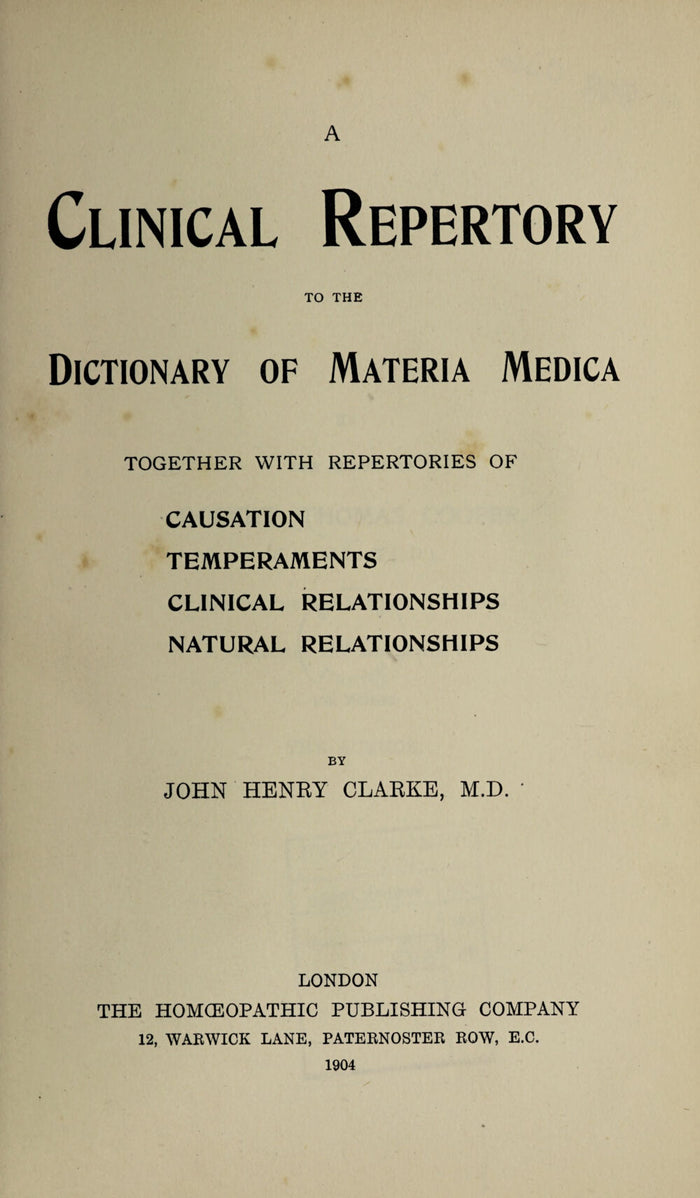
Title page of Clarke’s Clinical Repertory to the Dictionary of Materia Medica, 1904, the companion to his Dictionary. Wellcome Collection, Public Domain Mark.
1915
Nobel Prize in Chemistry · 1915

A Nobel Prize for chlorophyll research

Richard Willstätter won the Nobel Prize in Chemistry for his work on chlorophyll. He found magnesium at its center.

Why it matters: Chlorophyll became one of science’s most studied plant compounds.

Keep in mind: The prize was for chemistry, not health benefits.

Source & citation

The Nobel Prize in Chemistry 1915, awarded to Richard Martin Willstätter "for his researches on plant pigments, especially chlorophyll." NobelPrize.org.

Read about the 1915 Nobel Prize ↗
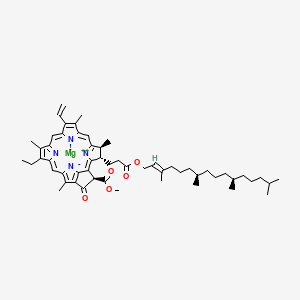
Chemical structure of chlorophyll a, with magnesium at its center
The chlorophyll a molecule, with magnesium (Mg) at its center. Structure image: PubChem, U.S. National Library of Medicine.
1935
Journal article · Nature, 1935

Nature celebrates a century of chlorophyll science

The journal Nature looked back on chlorophyll research, from its naming in 1817 to Willstätter’s discoveries.

Why it matters: Chlorophyll had over 100 years of serious science behind it.

Keep in mind: It’s about chemistry. Ethale uses chlorophyllin, a water-soluble form made from chlorophyll.

Source & citation

"Chlorophyll." Nature 135, 275–276 (16 February 1935).

Read the 1935 Nature article ↗

Still recognized today

Today

A modern regulator reviews mullein’s long history.

Today
European Medicines Agency

Europe’s medicines agency recognizes mullein’s long use

The European Medicines Agency says mullein flower products can be used to soothe a sore throat with a dry cough and cold, based on long-standing use.

Why it matters: Mullein’s traditional use for coughs is still recognized today.

Keep in mind: This is based on traditional use, not clinical trials, and it covers mullein flower. Ethale uses mullein leaf.

Source & citation

European Medicines Agency, Committee on Herbal Medicinal Products (HMPC). Verbasci flos (mullein flower): herbal medicinal product summary.

Read the EMA summary ↗

The bottom line

For more than 140 years, mullein has been the go-to herb for coughs and mucus. That long track record is exactly why it’s the heart of Ethale.

Get my Mullein Drops

These sources show traditional use. They aren’t clinical studies of Ethale.

Chapter 3 · The science

You’ll learn: The 5 stages of a mucus cough, and where Ethale’s mullein steps in at each one.

How a mucus cough takes hold, and where Ethale steps in

Ethale is built around mullein, the herb people have reached for at every stage of a mucus cough. Scroll to see where it fits.

AIRWAY COUGH TISSUE 12345
Simplified cross-section of an airway lining. Not to scale.
  1. 1

    Something irritates your airways

    A cold, smoke, dust or dry air hits your airways, and they get inflamed.

    Ethale steps in · Flavonoids & iridoids

    Mullein’s natural compounds are being studied for calming irritation. So far that research is in labs, not people.

  2. 2

    Mucus builds up, thick and sticky

    Your airways make extra mucus to trap the intruder. Too much, and it turns thick and hard to clear.

    Ethale steps in · Saponins

    Mullein has been used for generations as an expectorant, to help loosen stubborn mucus. Its saponins are the compounds linked to that effect.

  3. 3

    It gets stuck in your chest

    Tiny hairs try to sweep mucus up and out. Thick mucus moves slowly, so it lingers and rattles.

    Ethale steps in · Expectorant tradition

    Loosening mucus is how mullein was traditionally used to help your body move it up and out, instead of letting it sit.

  4. 4

    Your body keeps coughing

    Nerves sense the buildup and fire the cough reflex, over and over, to push it out.

    Ethale steps in · Daily support

    Taken daily, Ethale puts mullein to work alongside your body’s own clearing process, the way herbalists used it for generations.

  5. 5

    Your throat gets raw

    All that coughing leaves your throat scratchy. The tickle sets off the next cough, and the cycle repeats.

    Ethale steps in · Mucilage

    Mullein contains mucilage, a soft, gel-like plant fiber herbalists used to coat and soothe a raw throat. Europe’s medicines agency recognizes mullein flower for sore throat with dry cough, based on traditional use.

Ethale at every stage

  • LoosenMullein is the classic herbal expectorant, used to help loosen stubborn mucus.
  • SootheIts gel-like mucilage was used to coat a raw, tickly throat.
  • CalmIts natural compounds are being studied for calming irritation.
Get my Mullein Drops

In plain English

Ethale works with your body’s own way of clearing your airways. Mullein’s roles here come from generations of traditional use and early lab research. There are no clinical trials on mullein yet, and we don’t claim Ethale cures any condition.

Chapter 4 · The formula

Two time-tested ingredients. One simple drop.

The old cough herb, made easy to take.

01Used since the 1800s

Mullein leaf extract

Verbascum thapsus

The herb doctors wrote about for coughs. Ours is extracted and bottled the same day it’s harvested.

The time-tested cough herb

02Named in 1817

Chlorophyllin

Sodium copper chlorophyllin

A water-soluble form of chlorophyll, the plant pigment named in 1817. It’s what makes the drops green.

The plant green in every drop

Ethale Mullein Drops

Ethale Mullein Drops

Alcohol-free · One simple daily drop

  • Alcohol-free
  • Vegan
  • No added sugar
  • No synthetic fillers
  • Third-party tested
Choose my bundle

14-day results refund policy · Ships with tracking

Black Friday: Buy 2, Get 1 Free

Done with morning phlegm? Try the 140-year cough herb.

Mullein + chlorophyllin. Alcohol-free and easy to take.

  • Mullein: used for coughs and mucus for 140+ years
  • Chlorophyllin: from the plant pigment named in 1817
  • Alcohol-free, vegan, no added sugar
  • Third-party tested, every batch
$23.29 $29.95
Choose your supply
14-day results refund policyShips with trackingMade in the USA
B

The green color kind of surprised me at first. But that's the good stuff!

Britney H., verified customer
Alcohol-free
No added sugar
Vegan
Third-party tested
Made in the USA

Try it for 14 days

Take Ethale daily for 14 days. No results? Get a full refund. Email support@ethale.com within 30 days of purchase with a daily photo of use and a final photo showing at least half the bottle used. Unopened bottles don’t qualify.

The Ethale team

Choose my bundle

Questions, answered honestly

Still unsure? Our team is happy to help. Contact us

Will it stop my cough or clear my mucus?

No supplement can honestly promise that. Here’s what we can say: mullein has been used for coughs and mucus for over 140 years. That’s why it’s in Ethale.

Try it daily for 14 days. If you don’t notice results, our refund policy has you covered.

See a doctor if your cough lasts more than 3 weeks, gets worse, or comes with fever, blood or trouble breathing.

Has Ethale been clinically tested?

No. The history on this page is about the ingredients. None of these sources tested Ethale’s formula.

Is it the same mullein the old texts describe?

Yes, it’s the same plant: Verbascum thapsus. Old recipes used its leaves and flowers. Ethale uses a mullein leaf extract.

Why chlorophyllin instead of chlorophyll?

Chlorophyllin is a form of chlorophyll that dissolves in water. That makes it easy to blend into a liquid drop.

Does it treat tuberculosis, COPD, asthma or other lung conditions?

No. Ethale is a dietary supplement. It isn’t meant to diagnose, treat, cure or prevent any disease. If you have a lung condition, follow your doctor’s advice.

How do I take it?

Directions are on the label.

What does it taste like?

A mild, earthy flavor that isn't overpowering. It's alcohol-free with no added sugar.

How does the subscription work?

Your drops arrive every 30 days. Skip or cancel anytime.

What if it doesn't work for me?

Use it daily for 14 days. If you don't see or feel any results, email support@ethale.com within 30 days of purchase with a daily photo of use and a final photo showing at least half the bottle used, and we'll refund you in full once it's verified.

Who shouldn't take it?

Ethale is for adults 18 and over. If you're pregnant, nursing, taking medication or have a medical condition, check with your doctor before using it.

Straight answers

4 quick facts about traditional remedies

Myth If it's old, it's proven. Tap for the fact +
Fact

A long history shows people trusted a remedy. It isn’t the same as a clinical trial. That’s why we label each source.

Myth Chlorophyll and chlorophyllin are the same thing. Tap for the fact +
Fact

Chlorophyllin is made from chlorophyll, but it’s a different compound that dissolves in water. Ethale uses chlorophyllin.

Myth All mullein is the same. Tap for the fact +
Fact

The plant part matters. Old texts used leaves and flowers. Europe’s review covers the flower. Ethale uses the leaf.

Myth A daily drop can replace a doctor. Tap for the fact +
Fact

It can’t. See a doctor if a cough lasts more than 3 weeks, gets worse, or comes with fever, blood or trouble breathing.

Ready to try the time-tested cough herb?

Start with one bottle, or save with a bundle. Every order comes with our 14-day results refund policy.

Get my Mullein Drops
Alcohol-freeThird-party testedShips with tracking

These statements have not been evaluated by the Food and Drug Administration. This product is not intended to diagnose, treat, cure, or prevent any disease. Historical references on this page describe traditional use and are not clinical evidence for this product. For adults 18+.

The old cough herb · Ethale Drops
Choose my bundle